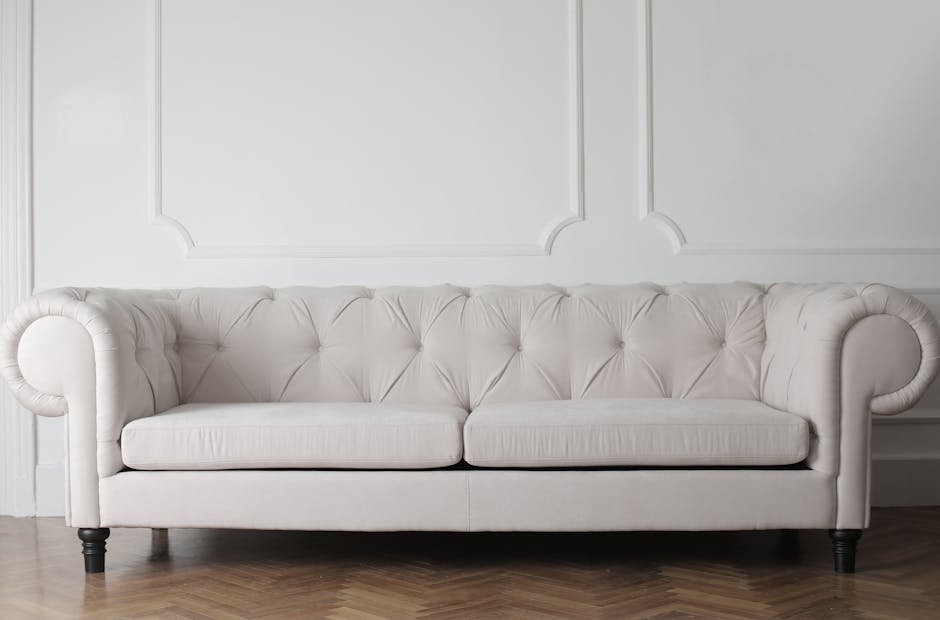
Syon Park upholstery cleaning for Brentford homes: a practical guide to cleaner, longer-lasting furniture
If your sofa arms look dull, your dining chairs have picked up everyday marks, or a favourite armchair is holding on to that faint lived-in smell that homes collect over time, you are not alone. Syon Park upholstery cleaning for Brentford homes is one of those services people usually think about only when a stain appears or guests are on the way, but the real value is bigger than that. Done properly, it helps protect fabrics, improve freshness, and keep your furniture looking and feeling like part of the home again.
In this guide, we will walk through what upholstery cleaning involves, why it matters in Brentford households, how the process works, and what to watch out for when choosing a service. You will also find a comparison table, a practical checklist, and answers to common questions people genuinely ask before booking. Straightforward, useful, no fluff.
Table of Contents
- Why Syon Park upholstery cleaning for Brentford homes Matters
- How Syon Park upholstery cleaning for Brentford homes Works
- Key Benefits and Practical Advantages
- Who This Is For and When It Makes Sense
- Step-by-Step Guidance
- Expert Tips for Better Results
- Common Mistakes to Avoid
- Tools, Resources and Recommendations
- Law, Compliance, Standards, or Best Practice
- Options, Methods, or Comparison Table
- Case Study or Real-World Example
- Practical Checklist
- Conclusion
- Frequently Asked Questions
Why Syon Park upholstery cleaning for Brentford homes Matters
Upholstery is one of the hardest-working surfaces in any home. It gets sat on, leaned against, napped on, eaten near, and occasionally treated like a storage shelf. And because it is fabric or textured material, dirt does not always look dramatic at first. It settles slowly. A little dust here, a little grease there, then suddenly the sofa looks tired even though it is still perfectly usable.
For Brentford homes, this matters for a few practical reasons. First, a lot of furniture sees daily use in smaller living spaces, so wear can show up quicker. Second, local homes often juggle pets, children, commuting routines, and weekend hosting. That means upholstery picks up body oils, crumbs, outdoor dust, and spillages faster than people expect. To be fair, it happens in the best-kept houses too.
There is also a comfort angle. Clean upholstery simply feels better. It smells fresher, looks brighter, and can make a room seem more cared for without replacing anything. If you have ever walked into a room and felt that the sofa somehow made the whole space look darker, you will know exactly what I mean.
One more thing: regular cleaning can help prevent soil build-up from becoming permanent. Once grime gets deep into fibres, surface vacuuming is not enough. That is where a proper upholstery clean becomes less of a luxury and more of a maintenance decision.
For households already thinking about broader home care, it often makes sense to pair upholstery work with other services such as sofa cleaning or even a wider deep cleaning service when the property needs a more complete refresh.
Expert takeaway: upholstery cleaning is not just about removing a visible mark. It is about protecting the fabric, keeping your home fresher, and delaying the need to replace furniture that is still structurally fine.
How Syon Park upholstery cleaning for Brentford homes Works
Most professional upholstery cleaning follows a similar pattern, even if the exact products or equipment vary. The aim is simple: remove loose debris, lift embedded soil, treat stains carefully, and clean the material without damaging fibres or backing fabric. Sounds simple. It rarely is, especially when mixed fabrics, old stains, or delicate stitching are involved.
The cleaner usually starts with identification. They need to know what the piece is made from: cotton, wool blend, synthetic fabric, velvet, microfiber, leather, or something mixed. This matters because the wrong method can set stains, distort fibres, or leave water marks. In a real home, you often have more than one fabric type in the same room, so there is no one-size-fits-all treatment.
Next comes inspection. This is where a good cleaner checks the condition of seams, cushions, pre-existing wear, and any colour loss. You might see a faint ring near the back cushion or a patch where the armrest is darker from repeated use. These clues guide the cleaning method and help set realistic expectations.
After that, the surface is typically vacuumed thoroughly. It sounds basic, but it removes loose dust, grit, pet hair, and crumbs before moisture is introduced. Skip this stage and you can just end up pushing debris deeper into the fabric. Not ideal, obviously.
Then comes spot treatment or pre-treatment. This is where stubborn marks, grease spots, or traffic areas get attention before the main clean. Depending on the material, the cleaner may use a low-moisture technique, hot water extraction, dry cleaning solvent, or a carefully controlled hand-cleaning method. The right approach depends on the item, not on guesswork.
Drying matters too. Good upholstery work is not finished when the furniture is merely damp. It should be left with sensible airflow so the fibres dry evenly and the room does not feel muggy. In a busy Brentford household, that may mean a few hours of sensible ventilation, and sometimes longer for thicker cushions.
If you are booking along with broader home services, it can be helpful to look at related options like domestic cleaning or house cleaning so the whole home feels coordinated rather than half-done. That sounds obvious, but many people only realise it after the fact.
Key Benefits and Practical Advantages
The first benefit is visual. Clean upholstery instantly lifts a room. A sofa that has lost its sparkle can make the whole lounge feel older than it is. Fresh cleaning restores colour contrast, reduces dull patches, and gives the fabric a more even finish.
The second benefit is hygiene. Upholstery can hold dust, skin flakes, pet dander, and general day-to-day build-up. None of that is dramatic on its own, but over time it adds up. If someone in the home has allergies or you simply prefer a cleaner-feeling environment, upholstery care is a sensible move.
Then there is fabric life. Dirt particles act a bit like sandpaper at fibre level. Every time someone sits down, the fabric flexes around trapped grit. Over months and years, that can contribute to abrasion and dulling. Keeping furniture cleaner helps reduce that hidden wear.
There is also a financial angle, though it should be treated carefully. Cleaning is usually far cheaper than replacement, especially for well-made sofas or dining chairs. If the frame is solid and the upholstery is still serviceable, cleaning is often the better investment. Honest truth: replacing good furniture just because it looks tired is not always necessary.
Some of the practical upsides are easy to overlook:
- better everyday freshness in living rooms and bedrooms
- less visible staining around high-touch areas like arms and headrests
- improved presentation before guests, sales viewings, or family visits
- less pet hair and surface dust lingering in fibres
- a more comfortable feel when sitting or lounging
For households juggling multiple chores, upholstery cleaning also fits neatly into a broader refresh plan. Many homeowners combine it with rug cleaning or carpet cleaning so the flooring and furniture feel equally clean, rather than one looking polished and the other looking a bit sorry for itself.
Who This Is For and When It Makes Sense
This service is useful for a lot more people than you might think. It is not only for households with obvious stains or very expensive furniture. In practice, many Brentford residents book upholstery cleaning because their furniture is used daily and they want to stay ahead of the grime rather than deal with a deep-set problem later.
You may want it if you have:
- light-coloured sofas that show marks quickly
- children who treat the sofa like a snack station, because of course they do
- pets that curl up on cushions every evening
- smoke, cooking, or general odour build-up in soft furnishings
- house guests or moving plans coming up
- furniture that looks flat, dusty, or uneven in colour
It also makes sense for landlords, letting agents, and renters preparing for end-of-tenancy checks. Upholstery is one of those areas that can quietly affect how a home feels in photos and in person. A clean sofa in a viewing can make the entire property feel more cared for. If you are moving in or out, services like move-in cleaning and move-out cleaning can be a sensible companion to upholstery work.
One-off cleans are also common after events. Maybe the family came round for Sunday lunch and someone nudged red wine near the armrest. Maybe the dog had a muddy week. Maybe the room has just been lived in properly, which is fair enough. That is when a well-timed one-off cleaning service can help reset things without committing to anything ongoing.
Step-by-Step Guidance
If you are trying to understand what happens from start to finish, this simple sequence will help. It also makes it easier to judge whether a provider is doing the job properly or just waving a machine around and hoping for the best.
- Inspect the furniture. Check the fabric type, age, stains, and any wear or damage before anything gets sprayed or scrubbed.
- Test a small area. A responsible cleaner should test the product or method somewhere discreet first. You do not want surprises on the front cushion.
- Vacuum thoroughly. Dry soil, dust, and hair should come out first. This makes the main clean much more effective.
- Pre-treat problem spots. Stains, dark armrests, and food marks often need separate attention before the main clean.
- Apply the main cleaning method. This may involve low-moisture extraction, controlled wet cleaning, or specialist fabric treatment.
- Lift residues and moisture carefully. Good cleaning removes dirt rather than leaving product behind in the fibres.
- Speed up drying with airflow. Open windows if practical and keep the room ventilated.
- Check the results once dry. Some marks only reveal themselves after the fabric dries, so a final check is important.
That final check is not a fancy extra. It is where the real judgement happens. Sometimes a stain improves by 90 per cent and that is a win. Sometimes a mark turns out to be colour loss rather than dirt, and no amount of cleaning will reverse it. A good cleaner should explain that clearly, not pretend otherwise.
Expert Tips for Better Results
Small preparation steps can make a surprisingly big difference. If you have ever cleaned a table and found it looks better because you cleared it first, the same idea applies here. Upholstery cleaning rewards a little forethought.
- Vacuum the furniture first if you can. It is fine if a professional does this, but removing loose crumbs and pet hair beforehand can help speed things up.
- Point out problem areas. Tell the cleaner about stains, odours, pet accidents, or any previous cleaning attempts. The more they know, the better.
- Do not scrub a spill hard before the appointment. Over-rubbing can spread the stain or damage the pile. Blotting is safer.
- Keep pets and children away while drying. It sounds obvious, yet a wet cushion can become a magnet for tiny hands and muddy paws.
- Ask about fabric sensitivity. Velvet, silk blends, and some natural fibres can need more delicate handling.
- Allow proper drying time. Rushing furniture back into full use can trap moisture and leave the room smelling musty.
One practical tip that gets overlooked: if the rest of the home is due for a reset too, it can be worth bundling work with window cleaning. Fresh upholstery and clean windows tend to change the feel of a room much more than either job alone. Light matters. So does the first impression when you walk in on a grey West London afternoon.
If you are booking a broader refresh, services such as regular cleaning can help keep upholstery cleaner for longer, because dust and grime do not get the chance to build up as aggressively.
Common Mistakes to Avoid
A lot of upholstery damage comes from well-meant mistakes. People act quickly, use the nearest cleaning spray, and then wonder why the patch looks worse after drying. Happens all the time, honestly.
Here are the big ones to avoid:
- Using too much water. Over-wetting can lead to rings, slow drying, and unpleasant smells.
- Assuming every stain is the same. Grease, wine, ink, mud, and pet accidents all behave differently.
- Cleaning without checking fabric care instructions. Some materials are far more delicate than they look.
- Scrubbing aggressively. That can fray the surface or spread the mark deeper into the weave.
- Skipping a test patch. Especially on dyed or patterned fabrics, this is a risky shortcut.
- Putting cushions back before they are dry. Trapped moisture is a classic cause of dull patches and musty odour.
There is another mistake too: expecting miracles from a stain that has been sitting for months or years. Professional cleaning can do a lot, but it cannot rewrite the fabric's past. A bit blunt, maybe, but better than false hope. The best results usually come from acting early.
Tools, Resources and Recommendations
You do not need a cupboard full of special products to keep upholstery in decent shape between professional cleans. In many homes, a few sensible tools are enough.
- Vacuum with upholstery attachment for weekly or fortnightly dust removal
- Soft brush for loosening pet hair and lifting fibres gently
- Microfibre cloth for blotting spills without spreading them
- Clean white towels for controlled drying after small accidents
- Fan or open window to encourage airflow after cleaning
For larger or more delicate jobs, it is usually better to rely on professional equipment rather than experimenting with household sprays. A strong product is not automatically a better one. In fact, that approach can cause more issues than it solves.
If you are comparing services, it also helps to review practical pages that explain how a company works. For example, it is sensible to look at pricing and quotes so you know how estimates are built, and insurance and safety information so you understand what protections are in place if something unexpected happens.
You may also want to check how a company presents itself and handles service quality. That is where a page like about us can be useful, because a little transparency goes a long way.
Law, Compliance, Standards, or Best Practice
Upholstery cleaning in a home setting is not heavily regulated in the way some specialist trades are, but good practice still matters. Reputable providers should handle products carefully, respect the manufacturer's care guidance where available, and work in a way that avoids unnecessary damage to the property.
In the UK, consumer expectations are fairly straightforward: services should be described accurately, carried out with reasonable care and skill, and backed by clear terms. For the homeowner, that means you should know what is included, what happens if a stain does not fully lift, and how any issue will be dealt with afterwards. No smoke and mirrors.
From a safety perspective, cleaning products should be handled in line with standard household and workplace precautions. That includes ventilation, sensible dilution, and keeping children and pets away from treated areas until they are ready. If you have a sensitive household, it is sensible to ask what kind of product range is used and whether any special care is needed.
Environmental best practice is worth thinking about too. A cleaner who uses only the amount of solution needed, avoids unnecessary waste, and manages wastewater responsibly is usually a better fit for modern homes. If sustainability matters to you, a company's recycling and sustainability approach can be a helpful indicator of how carefully they operate overall.
And if you ever need to raise an issue, a clear complaints procedure is a good sign. Nobody hopes to use it, of course, but it tells you the business is prepared to handle problems properly if they come up.
Options, Methods, or Comparison Table
Not every upholstery clean is the same. The best method depends on the fabric, the level of soiling, and how much drying time you can allow. Here is a simple comparison that may help you think through the options.
| Method | Best for | Pros | Watch-outs |
|---|---|---|---|
| Vacuum-only maintenance | Light dusting between deeper cleans | Fast, easy, low risk | Will not remove embedded stains or odours |
| Low-moisture clean | Routine fabric refreshes and many synthetic materials | Quicker drying, reduced water use | May be less effective on heavy staining |
| Hot water extraction | Durable fabrics with deeper soil build-up | Strong cleaning performance, good for general grime | Needs careful drying and is not right for every fabric |
| Dry cleaning method | Delicate or moisture-sensitive upholstery | Safer for certain fabrics, reduced water risk | May need specialist handling and can be slower on some stains |
As a rule, the more delicate the fabric, the more cautious the process needs to be. That sounds obvious, yet plenty of damage happens because people assume a stronger clean must always be better. It does not. The right method is the one that suits the item in front of you.
Case Study or Real-World Example
Imagine a Brentford family with a cream three-seater sofa in the living room and two fabric dining chairs in constant use. Over time, the sofa arms have darkened slightly, the seat cushions look flat, and one chair has a faint spill mark from a rushed weekday dinner. Nothing dramatic. Just enough to bother them every time they sit down.
They decide to book upholstery cleaning before a small family gathering. The cleaner inspects the fabric, identifies the heavily used areas, and treats the marks with a method suited to the material rather than forcing a generic approach. After cleaning and drying, the sofa looks more even in colour, the dining chairs feel fresher, and the whole room seems brighter. No miracle transformation, just a proper reset.
That kind of result is often what people want in real life. Not perfection, not a showroom finish. Just furniture that feels cared for again. And, to be fair, that is usually enough to change how a room feels when you walk into it in the morning with a cup of tea.
Practical Checklist
Use this quick checklist before booking or carrying out upholstery cleaning at home:
- Identify the type of furniture and fabric if possible
- Check for care labels or manufacturer guidance
- Note all visible stains, wear spots, and odours
- Vacuum loose dust and crumbs first
- Keep pets and children away from the area during cleaning and drying
- Ask what method will be used and whether a test patch is included
- Confirm approximate drying time
- Arrange airflow with open windows or fans where suitable
- Review related services if the whole home needs a refresh
- Inspect the furniture once dry before putting throws and cushions back
If you want to keep the whole property feeling clean rather than just one room, it can help to combine upholstery care with communal area cleaning in shared homes or with office cleaning if you are managing a small workplace with soft seating. Different setting, same principle: the fabric says more than people think.
Conclusion
Syon Park upholstery cleaning for Brentford homes is really about practical comfort. It keeps furniture fresher, helps fabrics last longer, and makes a home feel more settled and well cared for. Whether you are dealing with visible stains, everyday wear, pet hair, or just that general faded look that builds up quietly over time, the right cleaning approach can make a noticeable difference.
The main thing is to match the method to the material, avoid heavy-handed mistakes, and choose a provider that works carefully rather than quickly for the sake of it. A good upholstery clean should leave your furniture looking better, smelling fresher, and feeling more pleasant to live with. Simple, but valuable.
If your sofa, chairs, or soft furnishings are overdue for attention, now is a good time to take the next step.
Get a free quote today and see how much you can save.
Sometimes the nicest home improvements are the quiet ones. Fresh upholstery does not shout. It just makes the room feel right again.
Frequently Asked Questions
How often should I book upholstery cleaning for a Brentford home?
Most households benefit from cleaning upholstered furniture every 12 to 24 months, but busy homes with pets, children, or heavy use may need it more often. If a sofa starts looking dull or holding odours, that is usually the sign.
Can upholstery cleaning remove old stains?
Sometimes, yes, but it depends on the stain type, how long it has been there, and the fabric involved. Older stains may improve a lot without disappearing completely. It is best to treat expectations carefully rather than promise miracles.
Is upholstery cleaning safe for delicate fabrics?
It can be, provided the method matches the fabric. Delicate materials such as velvet, silk blends, or moisture-sensitive textiles need a more cautious approach and a proper test patch first.
How long does upholstery take to dry after cleaning?
Drying time varies by fabric, method, airflow, and room temperature. Some pieces are ready in a few hours, while thicker cushions may take longer. Good ventilation makes a real difference.
Will the cleaning leave my sofa smelling damp?
It should not if the correct amount of moisture is used and the furniture is allowed to dry properly. A damp smell usually means the item was over-wet or not aired well enough afterwards.
Do I need to vacuum before the cleaner arrives?
You do not have to, but it helps. Removing loose crumbs, dust, and hair makes the process smoother and gives the cleaner a better starting point.
What is the difference between upholstery cleaning and sofa cleaning?
Upholstery cleaning is the broader term for cleaning fabric-covered furniture, including chairs, sofas, stools, and other soft furnishings. Sofa cleaning is simply one part of that wider category.
Can I use supermarket stain removers before the appointment?
It is usually better not to, unless you know the product is suitable for the fabric. Some sprays can set stains, bleach colour, or leave residues that make professional cleaning more difficult.
Is upholstery cleaning worth it for cheaper furniture?
Often, yes, if the item is still structurally sound and you want to extend its life. Even lower-cost furniture can benefit from cleaning when the fabric itself is still in decent condition.
What should I ask before booking upholstery cleaning?
Ask what method will be used, whether a test patch is included, how long drying should take, and what happens if a stain does not fully lift. Clear answers are a good sign.
Can upholstery cleaning help with pet odours?
It can help reduce them, especially if the smell is trapped in surface soil or light contamination. Strong or deep-set odours may need more focused treatment, so it is worth mentioning them upfront.
Should upholstery cleaning be combined with other home cleaning services?
Quite often, yes. If your furniture is looking tired, the rest of the room may benefit too. Pairing it with carpet, rug, or general home cleaning can create a more noticeable result without much extra hassle.