Upholstery Cleaning in Modern Homes: Fresh, Healthy, and Long-Lasting Fabrics
Upholstery cleaning is one of the most overlooked parts of home care, yet it has a major impact on how a room looks, feels, and smells. Sofas, armchairs, dining chairs, ottomans, and fabric headboards collect dust, body oils, food crumbs, pet hair, and airborne pollutants every day. Over time, those contaminants settle into the fibers and make furniture look tired, feel less comfortable, and even contribute to indoor allergy issues.
Whether you live in a busy family home, a pet-friendly apartment, or a stylish office space, professional upholstery cleaning can transform the appearance and hygiene of your furniture. It does more than refresh fabric. It helps extend the life of your investment, protect delicate materials, and create a cleaner indoor environment. For anyone searching for upholstery cleaning solutions that actually deliver visible and lasting results, understanding the process is the first step.
The best part is that upholstery cleaning is not only for heavily stained furniture. Regular maintenance keeps textiles in better shape, preserves color, and prevents buildup before it becomes difficult to remove. Clean upholstery changes the feel of a room instantly, and when done properly, it supports both comfort and cleanliness in everyday living.
Why Upholstery Cleaning Matters More Than Most People Realize
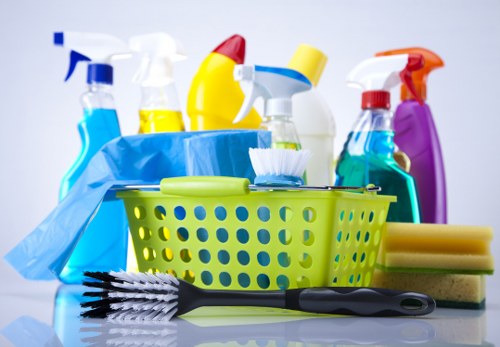
Furniture upholstery is constantly exposed to use, and unlike hard surfaces, fabrics absorb what lands on them. Dust settles deep into fibers, spills soak in quickly, and oils from skin and hair gradually darken the surface. In addition, upholstered pieces can trap allergens such as pollen, dander, and dust mites, especially in homes with children, pets, or high traffic.
Regular upholstery cleaning helps remove these hidden contaminants before they damage the material or affect indoor air quality. This is especially important for households where people suffer from asthma, allergies, or sensitivities. Cleaner furniture often means fewer irritants floating through the air and a fresher overall environment.
Beyond health, there is a visual benefit that should not be underestimated. Fabric that looks dull, stained, or flattened can make an otherwise attractive room feel neglected. A proper upholstery cleaning routine restores vibrancy, improves texture, and gives furniture a more polished look. It is a simple way to improve the presentation of your living space without replacing expensive items.
Common signs your upholstery needs attention
- Visible stains or dark patches on arms and seat cushions
- Persistent odors, especially from pets, cooking, or smoke
- Fabric that looks faded, greasy, or discolored
- Increased dust or sneezing around soft furnishings
- Flattened texture or lint buildup that regular vacuuming cannot remove
Understanding the Different Types of Upholstery Materials

Not all fabrics respond the same way to cleaning. That is why effective upholstery cleaning starts with identifying the material. Cotton, linen, polyester, microfiber, wool, velvet, leather, and synthetic blends each require different techniques and products. A method that works on one fabric could cause shrinking, fading, water marks, or texture damage on another.
For example, microfiber is known for being durable and relatively easy to maintain, but it can still hold oils and require careful spot treatment. Velvet needs gentle handling to preserve its pile and sheen. Leather requires specialized cleaning and conditioning rather than water-heavy methods. This is why professional upholstery cleaning services often begin with fabric testing and a careful assessment of the item.
Homeowners who understand their furniture materials are better prepared to protect them. Manufacturer tags often include cleaning codes such as W, S, WS, or X. These codes indicate whether the fabric can be cleaned with water, solvent-based products, both, or vacuum-only care. Reading the label before attempting any upholstery cleaning task can help prevent costly mistakes.
Common cleaning code meanings
- W: Water-based cleaners are safe
- S: Solvent-based cleaners only
- WS: Water or solvent-based cleaners may be used
- X: Vacuum only; no liquid cleaning
Knowing the material and cleaning code is one of the smartest ways to protect upholstery from accidental damage.
How Professional Upholstery Cleaning Works
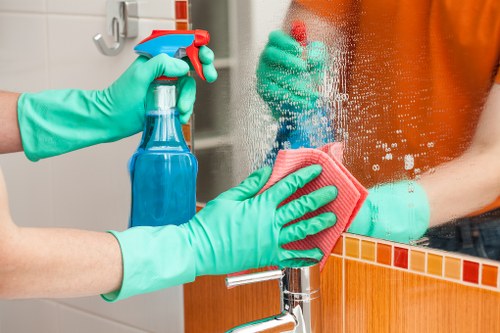
Professional upholstery cleaning typically follows a careful multi-step process designed to remove dirt while protecting the fabric. The exact method depends on the type of furniture, the fabric, and the level of soiling, but most jobs begin with inspection and pre-treatment. Technicians examine stains, test the fabric, and identify any areas that need special attention.
Next comes deep vacuuming. This removes loose dust, crumbs, pet hair, and debris from the surface and seams. Then, targeted pre-sprays or stain treatments are applied to break down oils and embedded grime. Once the cleaning solution has had time to work, the upholstery is cleaned using one of several methods such as hot water extraction, low-moisture cleaning, dry foam, or solvent-based techniques.
After the cleaning, the furniture is rinsed or groomed as needed, and airflow is often encouraged to speed drying. Skilled upholstery cleaning technicians know how to control moisture so the fabric is refreshed without becoming overly wet. This is particularly important because excess water can lead to lingering odors, fabric distortion, or slow drying that encourages mildew.
Popular upholstery cleaning methods
- Hot water extraction: Effective for deep soil removal on many synthetic fabrics
- Dry cleaning: Useful for delicate materials that cannot tolerate much moisture
- Foam cleaning: Often used when controlled moisture is needed
- Low-moisture cleaning: Helps reduce drying time and is ideal for busy households
- Leather cleaning and conditioning: Cleans the surface and restores suppleness
Choosing the correct method is what separates average results from excellent upholstery cleaning. Fabric-safe techniques clean thoroughly while helping preserve the color, texture, and structure of your furniture.
Benefits of Regular Upholstery Cleaning for Homes and Businesses
There are many practical reasons to schedule upholstery cleaning regularly. The most obvious benefit is appearance: cleaned furniture looks brighter, fresher, and more inviting. But the advantages go much further than aesthetics. A clean upholstered surface can improve hygiene, reduce allergens, and make a room feel more welcoming to family members, guests, customers, or employees.
For households, upholstery cleaning supports healthier living conditions. Sofas and chairs are among the most frequently used items in the home, making them major collection points for dust and bacteria. For businesses such as offices, reception areas, hospitality venues, and waiting rooms, clean upholstery reflects professionalism and attention to detail. Clients and visitors often notice the condition of soft furnishings immediately.
Another major benefit is cost savings. Furniture replacement is expensive, especially when the item is high-quality or custom-made. Routine upholstery cleaning helps maintain fabrics and delays wear, meaning pieces can stay in service longer. Proper maintenance can also reduce the need for premature repairs, reupholstery, or replacement.
Key long-term advantages
- Improved indoor air quality
- Reduced allergen buildup
- Removal of stubborn odors
- Extended furniture lifespan
- Better-looking rooms and workspaces
- Protection of fabric color and texture
When upholstery cleaning becomes part of a regular maintenance plan, the results can be seen and felt every day.
DIY Upholstery Cleaning vs. Professional Services
Many people attempt upholstery cleaning on their own, especially after spills or minor stains. While DIY maintenance can be helpful, it has limits. Vacuuming, spot-treating, and light fabric freshening can make a difference between professional appointments, but home methods may not remove deep soil, oils, or embedded allergens effectively. In some cases, do-it-yourself cleaning can even set stains deeper or leave water marks behind.
Professional upholstery cleaning offers specialized equipment, fabric-appropriate solutions, and technical knowledge that most homeowners do not have access to. A trained cleaner can identify the safest method for delicate textiles and handle stubborn stains more effectively. This is particularly valuable for expensive furniture, antique pieces, or fabrics with complex weave patterns.
That said, DIY upkeep still plays an important role. A balanced approach works best: regular vacuuming, quick spill response, and periodic professional upholstery cleaning. This combination keeps furniture looking good while reducing the risk of long-term damage.
When DIY may be enough
- Light dust buildup
- Fresh spills treated immediately
- Routine odor control between deep cleans
- Surface debris on durable fabric
When to call a professional
- Set-in stains or discoloration
- Unknown fabric type or cleaning code
- Pet accidents or strong odors
- Delicate, expensive, or antique furniture
- Furniture that has not been cleaned in years
How to Maintain Upholstery Between Deep Cleans
Once furniture has been professionally cleaned, simple habits can help keep it looking great for longer. Upholstery cleaning is most effective when supported by regular maintenance. The goal is to prevent dirt from settling deeply into the fibers and to respond quickly to spills before they become permanent marks.
Vacuum upholstered furniture weekly using the brush attachment or upholstery tool. Pay attention to creases, seams, and cushion edges, where debris tends to gather. Rotate cushions if possible so wear is distributed more evenly. Keep food and drinks away from soft furnishings whenever practical, especially on light-colored fabric that stains easily.
If a spill occurs, blot it immediately with a clean cloth rather than rubbing, which can spread the stain. Use only cleaning products that are appropriate for the fabric type, and always test in a hidden area first. For delicate materials, it is best to avoid over-wetting or using strong household chemicals. Small preventative steps can preserve the results of upholstery cleaning far longer than most people expect.
Practical maintenance habits
- Vacuum weekly
- Address spills immediately
- Rotate and fluff cushions
- Keep pets groomed to reduce hair and dander
- Use fabric protectors only when suitable for the material
- Schedule periodic professional upholstery cleaning
These habits may seem simple, but they can dramatically improve the appearance and hygiene of your furniture over time.
Odor Removal, Stain Treatment, and Allergen Reduction
One of the biggest reasons people search for upholstery cleaning is odor. Soft furniture absorbs smells from pets, smoke, cooking, sweat, and everyday living. Air fresheners may mask those odors temporarily, but they do not remove the source. Deep upholstery cleaning targets the particles trapped in the fabric so the smell can be neutralized rather than covered up.
Stain treatment is another major advantage of professional services. Different stains require different approaches. For example, protein-based stains, beverage spills, grease, ink, and pet accidents each respond best to specific products and methods. Attempting to treat a stain with the wrong solution can make it worse, so careful identification is essential.
Allergen reduction is especially beneficial for families with respiratory concerns. Upholstery can trap microscopic particles that become airborne when furniture is used. Professional upholstery cleaning helps remove these deposits, making the room feel fresher and cleaner. While no cleaning method can eliminate all allergens, a thorough service can significantly reduce buildup on frequently used soft furnishings.
Common sources of upholstery odors
- Pet dander and accidents
- Food spills and drink residue
- Tobacco or fireplace smoke
- Body oils and perspiration
- Humidity and poor ventilation
Addressing odors at the source is a major reason upholstery cleaning delivers such noticeable results.
Choosing the Right Upholstery Cleaning Service
When selecting a service provider, it is wise to look beyond price alone. The best upholstery cleaning results come from technicians who understand fabric types, stain chemistry, drying methods, and safe product selection. Experience matters because upholstered furniture is not a one-size-fits-all job.
Ask whether the cleaner performs a pre-inspection and fabric test before starting. Find out what cleaning methods are used and whether they are suitable for your furniture. It is also helpful to confirm how long drying may take, what preparations are recommended, and whether deodorizing or stain protection options are available. A trustworthy upholstery cleaning provider will be transparent about the process and realistic about results.
For many customers, peace of mind is just as important as visible cleaning. Knowing that a technician will treat your furniture with care can make the experience more positive from start to finish. If you are comparing services, look for a provider that emphasizes fabric safety, training, and attention to detail.
Questions worth asking before booking
- What type of upholstery cleaning method do you recommend for my fabric?
- Do you test the material before cleaning?
- How long will drying take?
- Can you remove specific stains or odors?
- Are your products safe for children and pets?
The right provider should make the upholstery cleaning process feel straightforward, safe, and tailored to your furniture.
Why Upholstery Cleaning Is a Smart Investment
At first glance, upholstery cleaning may seem like a purely cosmetic service, but it is really a protective investment. Furniture is expensive, and the condition of your sofas and chairs affects both comfort and the overall impression of your home or business. By keeping upholstery clean, you protect the materials that support everyday living and working.
The return on this investment shows up in several ways: fewer replacements, less visible wear, better indoor hygiene, and a more pleasant environment. High-use furniture naturally accumulates grime faster than many people realize, and once fibers become heavily soiled, they are harder to restore. Routine upholstery cleaning helps you stay ahead of that damage.
There is also an emotional benefit. A clean sofa or chair makes a space feel more cared for and more enjoyable to use. Whether you are hosting guests, relaxing with family, or managing a professional environment, fresh upholstery adds comfort and confidence. Book your service now if your furniture is due for attention, because small maintenance choices can make a big difference over time.
Best times to schedule upholstery cleaning
- After a major spill or accident
- During seasonal deep cleaning
- Before hosting events or guests
- After moving into a new home
- When odors, stains, or dust become noticeable
For busy households and businesses alike, upholstery cleaning is a practical step that supports cleanliness, longevity, and comfort all year round.
Final Thoughts on Upholstery Cleaning
Upholstery cleaning is more than a household chore. It is a targeted care practice that helps preserve fabric quality, improve hygiene, and maintain a comfortable space. From removing stubborn stains and odors to reducing dust and allergens, the benefits are both visible and practical. Clean furniture contributes to a better living environment and creates a stronger first impression in any room.
Whether you choose to maintain furniture yourself or rely on professional upholstery cleaning, consistency is key. Regular vacuuming, prompt stain treatment, and scheduled deep cleaning all work together to protect your investment. The result is furniture that looks better, lasts longer, and feels better to use every day.
If your sofa, chairs, or other upholstered items are starting to show signs of wear, now is a great time to act. Contact us today to refresh your furniture, improve your indoor environment, and enjoy the difference that expert upholstery cleaning can make.