Communal Area Cleaning: Creating Safer, Healthier Shared Spaces
Communal area cleaning plays a vital role in keeping shared buildings safe, welcoming, and comfortable for everyone who uses them. Whether it is an apartment block, residential complex, office building, student accommodation, or mixed-use property, the condition of communal spaces shapes first impressions and daily experiences. Clean hallways, polished lobbies, sanitized lifts, and well-kept stairwells all contribute to a more pleasant environment, while also supporting hygiene, safety, and property value.
In modern living and working environments, communal area cleaning is no longer just about appearances. It is also about reducing germs, preventing slips and trips, controlling odors, and protecting fixtures from unnecessary wear. Property managers, landlords, residents’ associations, and business owners all benefit from a structured cleaning approach that keeps shared zones consistently presentable.
From routine dusting and vacuuming to targeted disinfection and waste removal, communal area cleaning covers a broad range of tasks that must be performed reliably and to a high standard. When done properly, it creates a better experience for occupants and visitors alike, while helping buildings remain compliant with health and safety expectations.
What Is Communal Area Cleaning?
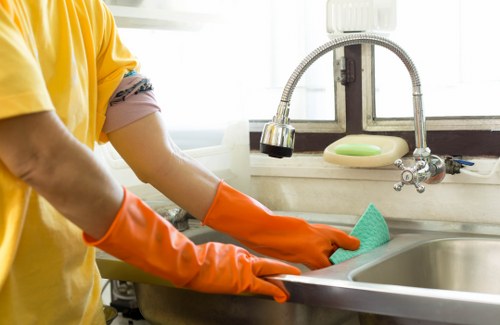
Communal area cleaning refers to the maintenance of shared spaces used by multiple people in a building or estate. These areas are not private to one occupant, so they experience more foot traffic, greater contamination risk, and faster wear than individual rooms. Because of that, they need regular attention and a tailored cleaning schedule.
Typical communal spaces include entrances, corridors, staircases, lifts, reception areas, mail rooms, laundry rooms, shared kitchens, waiting rooms, and parking access points. In residential buildings, communal area cleaning may also include bin stores, external pathways, and glass doors. In commercial environments, it can extend to breakout spaces, shared washrooms, and lobby seating areas.
The goal is simple: maintain a clean, hygienic, and attractive environment for everyone who passes through. A well-organized communal area cleaning plan ensures these spaces remain usable, safe, and visually appealing throughout the day.
Why Communal Area Cleaning Matters
Communal area cleaning matters because shared spaces affect everyone. If these areas are neglected, dirt builds up quickly, odors become noticeable, and germs can spread more easily. This is especially important in high-traffic buildings where many hands touch the same surfaces every day.
Regular cleaning also supports health and safety. Wet floors, debris on staircases, dusty corners, and overflowing bins can all create hazards. A consistent communal area cleaning routine helps reduce accident risks, especially in places with children, elderly residents, or visitors carrying bags and equipment.
There is also a strong visual benefit. When communal spaces are clean and tidy, residents and visitors feel more confident in the building’s management. This can improve satisfaction, create a sense of pride, and even help maintain or increase property value over time.
Beyond presentation, communal area cleaning protects building materials too. Regular care prevents staining, corrosion, and damage to carpets, flooring, railings, doors, and walls. Over time, this can reduce repair costs and extend the life of fixtures and finishes.
Common Spaces Included in Communal Area Cleaning

Every property is different, but most communal area cleaning contracts or routines cover a set of core locations. Understanding these areas helps building managers and residents know what should be cleaned and how often.
- Entrances and lobbies - first impression areas that collect dirt, moisture, and fingerprints.
- Hallways and corridors - high-traffic zones that need frequent vacuuming or mopping.
- Stairwells - often overlooked, yet crucial for safety and presentation.
- Lifts and lift lobbies - touchpoints such as buttons, handrails, and doors require regular disinfection.
- Shared washrooms - must be sanitized thoroughly to maintain hygiene.
- Bin rooms and waste areas - need odor control and regular waste management.
- Shared kitchens and break rooms - require surface cleaning, appliance exterior wiping, and spill removal.
- External communal areas - paths, entrances, and smoke shelters may also need sweeping and litter pickup.
In some buildings, communal area cleaning may also include glass partitions, notice boards, skirting boards, light switches, and door handles. The exact scope should always match the needs of the property and the number of people using it.
It is helpful to think of these areas as a building’s shared face. Clean shared zones show care, consistency, and attention to detail, all of which contribute to a better overall environment.
Key Tasks in Communal Area Cleaning
A successful communal area cleaning program involves more than a quick sweep or a weekly vacuum. It should include a clear list of tasks carried out at appropriate intervals.
Common cleaning tasks include:
- Dusting surfaces, ledges, and fixtures
- Vacuuming carpets and runners
- Sweeping and mopping hard floors
- Wiping door handles, handrails, and push plates
- Cleaning lifts, mirrors, and control panels
- Emptying bins and replacing liners
- Removing cobwebs and debris from corners
- Sanitizing high-touch surfaces
- Cleaning glass and entrance doors
- Spot-cleaning marks on walls and skirting
Depending on the building, additional tasks may include deodorizing bin stores, washing mats, polishing metal fixtures, and cleaning internal windows. The more detailed the task list, the more reliable the results.
Consistency is essential. Communal area cleaning is most effective when tasks are repeated regularly and tracked properly. This creates accountability and ensures nothing is forgotten, even in busy or busy-season periods.
How Often Should Communal Area Cleaning Be Done?
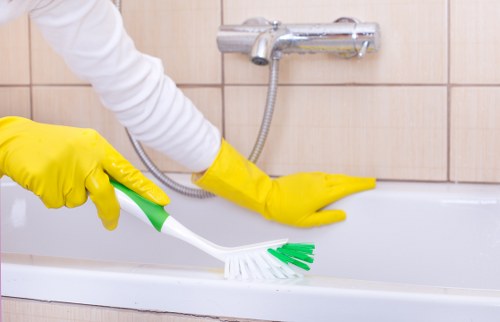
The ideal frequency for communal area cleaning depends on building usage, occupancy levels, and the type of space being maintained. A large apartment block with heavy foot traffic will need more frequent attention than a small residential property with fewer residents.
As a general rule, high-touch and high-traffic areas should be cleaned daily or several times a week. Lower-traffic spaces may need weekly or fortnightly cleaning, while deep cleaning tasks can be scheduled monthly or quarterly.
A practical cleaning schedule might look like this:
- Daily - entrance cleaning, touchpoint sanitation, bin emptying, and floor tidying.
- Weekly - full vacuuming, mopping, lift detailing, and dust removal.
- Monthly - deep cleaning of stairwells, skirting, doors, and shared fixtures.
- Quarterly - more intensive floor care, high-level dusting, and stain treatment.
Flexibility matters, because seasonal weather, resident numbers, and building events can all change cleaning needs. In winter, for example, entrances may require more frequent mopping due to rain, mud, and salt residue.
Communal area cleaning should also be reviewed regularly. If a building becomes busier or residents report recurring issues, the schedule may need to be adjusted to keep standards high.
Benefits of Professional Communal Area Cleaning
While some basic upkeep may be handled by in-house staff or residents, professional communal area cleaning offers clear advantages. Trained cleaners bring experience, equipment, and processes that help deliver better results in less time.
One major benefit is attention to detail. Professional teams understand which surfaces need special care, how to prevent cross-contamination, and how to use the right products for different materials. This reduces the risk of damage and improves cleanliness across the entire property.
Other benefits include:
- Reliable cleaning standards
- Time savings for property managers
- Better hygiene in shared environments
- Improved safety and reduced slip risks
- Reduced wear on flooring and fixtures
- More positive experiences for residents and visitors
Professional communal area cleaning can also be scaled to match the property. A small building may need a compact service plan, while a larger estate may benefit from daily visits, periodic deep cleans, and seasonal maintenance. This tailored approach ensures resources are used effectively.
For many properties, hiring specialists is the easiest way to maintain a consistently high standard without placing pressure on internal teams.
Communal Area Cleaning and Health Standards
Clean shared areas are closely linked to hygiene and public health. In buildings where many people pass through daily, germs can spread quickly via hands, shoes, surfaces, and waste areas. That is why communal area cleaning should include regular sanitation of touchpoints and thorough removal of visible dirt.
High-touch surfaces such as lift buttons, handrails, intercoms, and entrance handles should be cleaned using suitable disinfecting products. This is especially important in flu season or during periods of increased illness, when contamination risks are higher.
Good cleaning practice also helps reduce allergens. Dust, pollen, and debris can collect in carpets, corners, and vents, affecting comfort for residents and guests. Regular dust control is therefore an important part of overall building hygiene.
Health-focused cleaning priorities
To support healthier shared spaces, priority should be given to:
- Touchpoint sanitation
- Waste removal and odor control
- Dust reduction in corners and ledges
- Floor care to reduce slip hazards
- Ventilation support through general tidiness
Clean environments support well-being, and this is one of the strongest reasons to invest in regular communal area cleaning. When people feel comfortable in a shared building, they are more likely to respect the space and help keep it tidy.
Challenges in Communal Area Cleaning
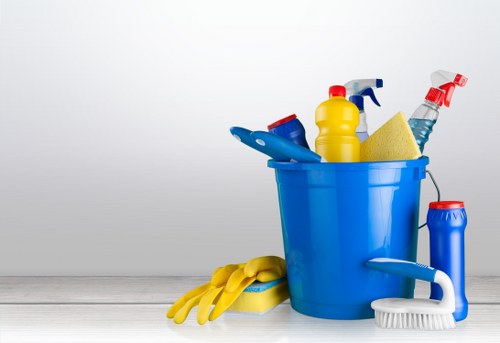
Communal area cleaning can be challenging because shared spaces are used constantly and often unpredictably. Dirt returns quickly, residents may move items around, and weather conditions can impact floors and entrances in a matter of hours.
Another challenge is balancing cleanliness with inconvenience. Cleaning should be thorough, but it should also respect the routines of residents, staff, and visitors. That means scheduling work carefully and using appropriate methods to minimize disruption.
Common challenges include:
- Heavy foot traffic in busy buildings
- Frequent litter or debris near entrances
- Smudges on glass and polished surfaces
- Odors in waste or bin areas
- Inconsistent use of shared facilities
- Damage caused by poor weather or outdoor dirt
These issues are best handled through prevention and routine. Protective mats, visible bin placement, clear resident communication, and frequent cleaning visits can all make a difference. In many cases, small improvements in process lead to better long-term results.
Choosing the Right Communal Area Cleaning Approach
Every property should have a cleaning approach that matches its layout, occupancy, and usage patterns. A one-size-fits-all method rarely works well in shared spaces. Instead, the best communal area cleaning plans are based on practical observation and regular review.
When creating or selecting a cleaning plan, consider the following factors:
- Traffic levels - more users mean more frequent cleaning.
- Surface types - carpets, vinyl, tile, and stone all need different care.
- Risk areas - entrances, stairs, and washrooms often need priority.
- Resident or tenant expectations - standards should reflect the building’s image.
- Seasonal changes - winter weather and summer dust can affect cleaning needs.
It is also useful to define responsibilities clearly. Who reports issues? Who monitors results? Who updates the schedule when usage changes? A structured system supports better outcomes and helps maintain accountability.
Communication matters too. When residents or occupants understand how communal area cleaning is organized, they are more likely to cooperate with the process, respect the space, and help protect the results.
Best Practices for Effective Communal Area Cleaning
There are several best practices that can improve the quality and consistency of communal area cleaning. These are especially valuable in larger properties or buildings with frequent turnover.
1. Use a clear checklist
A checklist ensures that all areas are covered and tasks are completed in the correct order. It also makes it easier to track performance over time.
2. Focus on high-touch surfaces
Handrails, door handles, buttons, and shared switches should be cleaned often because they are touched repeatedly throughout the day.
3. Match products to surfaces
Different materials require different cleaning solutions. Using the wrong product can damage floors, glass, or fixtures.
4. Remove waste quickly
Overflowing bins and neglected waste areas create odors and reduce the overall standard of the property. Waste should be managed on a regular schedule.
5. Monitor and improve
Periodic inspections help identify problem areas and improve the cleaning plan. If a space consistently looks untidy, the schedule may need to be adjusted.
These practices make communal area cleaning more efficient and dependable. They also help create a culture of care around shared spaces, which benefits everyone in the building.
The Role of Communal Area Cleaning in Property Value
Property value is influenced by many factors, and cleanliness is one of the most visible. Well-maintained communal spaces suggest responsible management and a building that is cared for properly. That impression can matter to tenants, buyers, visitors, and inspectors.
Dirty or neglected shared spaces can have the opposite effect. Even if individual units or offices are in good condition, poor communal area cleaning can make an entire property feel less desirable. Clean stairwells, tidy corridors, and fresh-smelling entranceways help support a more attractive and professional image.
This is why property owners often view communal area cleaning as an investment rather than a cost. Preventing damage, reducing complaints, and creating a strong visual impression can all support long-term value.
First impressions are powerful, and shared areas are often the first part of a building that people see. Regular cleaning helps ensure that impression is a positive one.
Seasonal Considerations for Communal Area Cleaning
Communal area cleaning needs often shift throughout the year. Different seasons bring different challenges, and smart cleaning plans account for those changes.
In autumn and winter, rain, mud, leaves, and grit can be brought indoors, especially through entrances and hallways. Floors may need more frequent mopping, and entrance mats may need checking more often. In spring, pollen and dust can increase, making dusting and vacuuming more important.
Summer may bring extra foot traffic, open doors, and outdoor debris. Bin areas can also become a greater source of odor in warm weather. That means waste management and deodorizing may need extra attention.
- Winter - focus on wet floor safety, salt residue, and mud control.
- Spring - increase dust removal and freshen shared spaces.
- Summer - monitor odors, litter, and ventilation.
- Autumn - manage leaves, rainwater, and outdoor dirt.
Seasonal planning helps communal area cleaning stay effective all year, rather than reacting only when problems become visible.
Why Residents and Occupants Notice Clean Shared Spaces
People notice cleanliness quickly because shared spaces are used every day. A spotless lobby or well-kept staircase communicates care immediately, while dust, stains, and clutter send the opposite message.
Residents and occupants may not always comment on good cleaning, but they certainly notice when standards slip. This is why regular communal area cleaning contributes to satisfaction even when it goes unnoticed. It creates a better living or working experience in the background, quietly improving daily life.
There is also a behavioral effect. Clean spaces encourage respectful behavior. When people enter a tidy environment, they are more likely to keep it that way. In this sense, cleaning helps set the tone for the whole building.
A clean communal space supports a positive shared culture, and that is a benefit that extends beyond appearance alone.
Final Thoughts on Communal Area Cleaning
Communal area cleaning is an essential part of maintaining any shared building. It improves hygiene, supports safety, protects property assets, and creates a more welcoming environment for residents, staff, and visitors. When shared spaces are cleaned consistently and professionally, the entire property benefits.
Whether the focus is on an apartment complex, office block, or mixed-use development, the principles remain the same: clean regularly, prioritize high-touch areas, use the right methods, and adapt to the building’s needs. A strong cleaning routine makes communal spaces more pleasant and more practical for everyone.
If you want cleaner hallways, fresher entrances, and safer shared areas, now is the time to act. Contact us today to discuss a tailored solution, or book your service now to keep your communal spaces looking their best all year round.