Office Cleaning in Modern Workplaces: Practical Standards for Healthier, More Productive Spaces
Office cleaning plays a much bigger role in workplace success than many businesses realize. A clean office is not only about appearance; it affects employee morale, client impressions, indoor air quality, hygiene, and even day-to-day productivity. In today’s competitive environment, organizations that invest in professional office cleaning create spaces that feel organized, safe, and ready for performance.
Whether you manage a small startup, a busy corporate floor, or a shared workspace, office cleaning needs to be intentional. Dusty desks, dirty restrooms, neglected break rooms, and poorly maintained floors can quickly shape how people experience the workplace. On the other hand, consistent office cleaning supports a healthier environment and helps protect your brand image every single day.
For businesses looking to stand out, office cleaning is no longer a background task. It is part of workplace strategy. Clean environments reduce clutter, limit germ spread, and make spaces more welcoming for employees and visitors alike. If your goal is to improve your office environment, regular office cleaning is one of the smartest investments you can make.
Why Office Cleaning Matters for Every Business
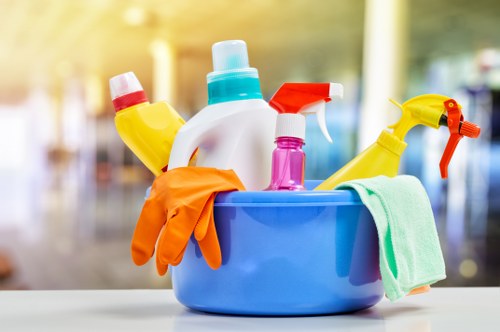
Office cleaning impacts much more than visual presentation. It influences how people feel the moment they walk through the door. A polished workspace signals professionalism, attention to detail, and respect for employees and clients. That first impression can be especially important in reception areas, conference rooms, and shared office spaces where visitors form opinions quickly.
There is also a direct connection between office cleaning services and workplace wellness. Dust, bacteria, and allergens tend to accumulate on high-touch surfaces such as desks, keyboards, door handles, light switches, and communal equipment. Without routine cleaning, those surfaces can become sources of irritation or illness. In contrast, a proactive cleaning routine helps reduce these risks and supports healthier daily operations.
Businesses often underestimate how office cleaning affects productivity. Employees work better in clean, organized surroundings because they spend less time dealing with clutter, odors, or unsanitary conditions. A tidy office encourages focus, supports workflow, and creates a more pleasant atmosphere overall. In this way, office cleaning is both a hygiene measure and a business performance tool.
Core Areas That Require Regular Office Cleaning
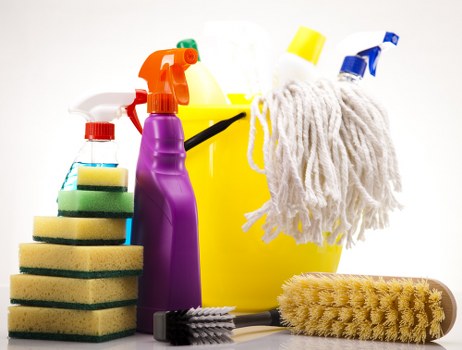
Not every office area requires the same cleaning frequency, but every zone needs attention. A successful office cleaning plan should prioritize the areas people use most often and those that affect health and comfort the most. By focusing on high-traffic and high-touch spaces, businesses can maintain a consistently clean environment without wasting resources.
Reception areas are especially important because they shape visitor expectations. Clean seating, polished desks, and dust-free displays help create a professional setting. Restrooms require strict sanitation, while break rooms need frequent attention to reduce food residue, spills, and odors. Meeting rooms should be kept fresh and organized because they often influence client interactions and team collaboration.
Workstations, meanwhile, deserve careful and routine office cleaning. Employees spend long hours at desks, so keyboards, monitors, phones, and surrounding surfaces collect dust and germs quickly. Floor care is equally important, whether your office has carpet, tile, laminate, or a mix of materials. Clean floors reduce slipping hazards and improve overall appearance.
- Reception and lobby areas
- Conference and meeting rooms
- Employee workstations
- Restrooms and wash areas
- Break rooms and kitchens
- Hallways, stairwells, and elevators
- Floors, carpets, and entrance mats
What a Professional Office Cleaning Routine Includes
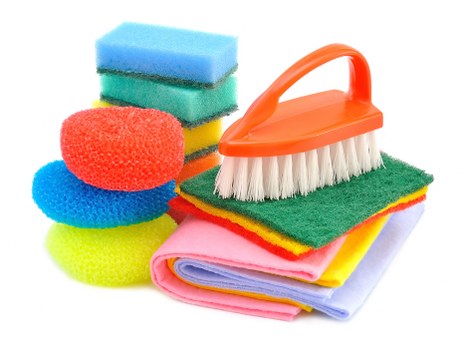
A reliable office cleaning routine usually combines daily, weekly, and periodic tasks. Daily cleaning keeps the office presentable and sanitary, while deeper weekly and monthly tasks maintain long-term cleanliness. A structured approach prevents the buildup of dust, grime, and odors that can make an office feel neglected.
Daily office cleaning often includes trash removal, surface wiping, restroom sanitization, vacuuming, and kitchen cleanup. These tasks keep the environment fresh and reduce the spread of dirt and bacteria. Professional office cleaning teams typically use checklists to ensure nothing is overlooked, especially in busy offices with multiple departments or shared spaces.
Weekly and monthly maintenance may include deeper floor care, detailed dusting, upholstery cleaning, glass cleaning, and disinfecting hard-to-reach areas. Depending on the size and use of the office, cleaning crews may also handle odor control, supply restocking, and specialized tasks such as sanitizing shared electronics or deep-cleaning carpets.
Typical tasks in an office cleaning schedule
- Emptying waste and recycling bins
- Cleaning and disinfecting bathrooms
- Wiping desks, tables, and shared surfaces
- Vacuuming carpets and rugs
- Mopping hard floors
- Sanitizing kitchens and break areas
- Cleaning glass, mirrors, and partitions
- Dusting vents, trim, shelves, and fixtures
Choosing the Right Office Cleaning Service
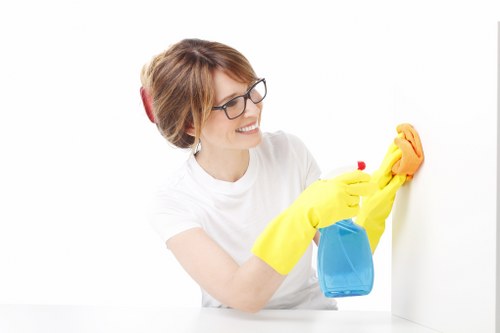
Selecting the right provider for office cleaning can make a major difference in quality, reliability, and workplace comfort. A strong cleaning partner understands that every office has different needs. Some businesses require after-hours cleaning, while others need daytime support, green cleaning products, or specialized sanitation protocols.
When evaluating office cleaning services, businesses should look for experience, consistency, and flexibility. A company that offers custom cleaning plans is often better suited to meet unique requirements than one that uses a one-size-fits-all approach. It is also helpful to choose a team that communicates clearly and follows a documented cleaning checklist.
Another important factor is the quality of products and equipment used. Modern office cleaning often involves microfiber tools, HEPA-filter vacuums, eco-friendly detergents, and disinfectants approved for workplace use. These tools can improve results while minimizing harsh chemical odors. In shared spaces, that balance matters because people are often sensitive to strong cleaning fumes or residue.
What to look for in an office cleaning provider
- Proven experience with commercial spaces
- Flexible scheduling options
- Trained and vetted cleaning staff
- Clear service checklists and quality standards
- Use of safe, effective cleaning products
- Responsive communication and accountability
Book your service now if your office needs a cleaner, healthier, and more polished environment that supports your team and visitors every day.
Health, Safety, and Hygiene Benefits of Office Cleaning
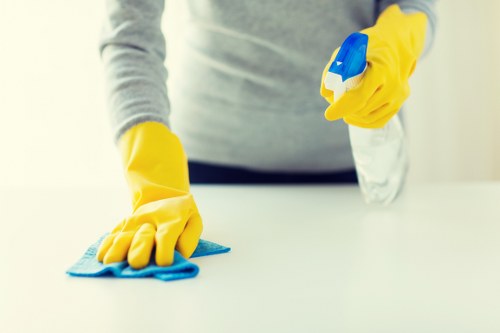
One of the strongest reasons to prioritize office cleaning is the health benefit. Offices are shared environments, and shared environments require consistent sanitation. High-touch surfaces can carry contaminants throughout the day, especially when employees, visitors, and delivery personnel move through the space constantly. Regular cleaning helps interrupt this cycle and supports better hygiene.
Office cleaning also helps reduce allergens. Dust, pollen, and debris can collect in carpets, upholstery, vents, and corners, triggering discomfort for sensitive individuals. Routine vacuuming, dusting, and air-quality-focused cleaning practices can make the office more comfortable and productive. For some workplaces, this is especially important during seasonal changes or periods of increased illness.
Safety is another key advantage. Clean floors reduce the chance of slips and falls, while clear walkways help employees move confidently through the office. Proper restroom maintenance also reduces sanitation concerns and supports compliance with workplace standards. In short, office cleaning contributes to a safer, more dependable work environment.
Daily, Weekly, and Monthly Office Cleaning Strategy
Building a cleaning rhythm that works
The best office cleaning results come from consistency. Instead of waiting until a space looks dirty, businesses should adopt a structured schedule that keeps everything under control. A layered cleaning strategy helps divide tasks by frequency and ensures attention is given where it matters most.
Daily tasks should focus on the visible and heavily used areas. This includes sanitizing restrooms, wiping shared surfaces, emptying bins, and maintaining kitchens. Weekly tasks can address deeper cleaning needs like vacuuming edges, polishing fixtures, cleaning glass, and dusting hidden surfaces. Monthly or quarterly office cleaning may involve carpet extraction, deep restroom sanitation, vent cleaning, and more detailed maintenance.
By separating cleaning responsibilities into manageable intervals, businesses can maintain high standards without overloading staff or neglecting important areas. This method works especially well for offices that see variable traffic or operate in multiple shifts.
Example office cleaning rhythm
- Daily: Sanitization, waste removal, surface wiping, restroom care
- Weekly: Glass cleaning, dusting, floor detailing, kitchen deep cleaning
- Monthly: Carpet treatment, upholstery care, fixture cleaning
- Quarterly: Deep cleaning, maintenance review, supply audit
Office Cleaning and Workplace Productivity
Clean offices often perform better because people can focus on their work instead of their surroundings. A clutter-free, freshly cleaned environment reduces distractions and creates a sense of order. Employees are more likely to feel motivated when desks, meeting rooms, and shared areas are neat and well maintained.
Office cleaning can also improve morale. Workers tend to appreciate when management invests in their comfort and well-being. A clean office suggests that the business values the people inside it. That sense of respect can strengthen company culture and encourage better habits among employees, too. People are often more careful with shared spaces when they are clearly maintained.
Client-facing businesses benefit as well. When visitors see a spotless environment, they may feel more confident in the company’s professionalism and operational discipline. Whether the office is used for consulting, finance, legal work, healthcare administration, or creative services, office cleaning supports a stronger brand image.
Eco-Friendly Office Cleaning Options
Many businesses are now looking for environmentally conscious office cleaning solutions. Green cleaning practices use products and methods that reduce environmental impact while still delivering strong results. These can include low-toxicity cleaning solutions, reusable microfiber cloths, refillable dispensers, and energy-efficient equipment.
Eco-friendly office cleaning offers multiple advantages. It may improve indoor air quality, reduce chemical exposure, and align with broader sustainability goals. For offices with employees who are sensitive to strong scents or harsh cleaners, greener alternatives can make the environment more comfortable.
Choosing sustainable office cleaning methods does not mean sacrificing effectiveness. Many modern products are designed to disinfect, degrease, and deodorize without the drawbacks of traditional heavy-duty chemicals. As businesses become more environmentally aware, green cleaning is increasingly becoming a preferred standard rather than a niche option.
- Low-VOC cleaning products
- Microfiber dusting and wiping systems
- Reduced-water floor care techniques
- Recycled or refillable cleaning supply systems
- Improved waste sorting and recycling support
Common Office Cleaning Mistakes to Avoid
Even with a cleaning routine in place, some businesses fall into habits that weaken results. One common mistake is focusing only on visible surfaces while ignoring hidden buildup. Dust can collect behind furniture, under desks, and along ventilation points where it eventually affects air quality and cleanliness.
Another issue is inconsistent scheduling. Office cleaning should be regular, not occasional. When cleaning is delayed too long, dirt becomes harder to remove and the office starts to look worn down. It is also a mistake to use the same cleaning intensity for every area without considering traffic level. Restrooms, kitchens, and entrances often need more frequent attention than storage rooms or seldom-used spaces.
Finally, some offices rely too heavily on quick surface cleaning and neglect deeper maintenance. Office cleaning works best when it includes both day-to-day upkeep and periodic deep cleaning. That balance keeps the office looking good while protecting the space over time.
How to Make Office Cleaning Part of Everyday Operations
Office cleaning becomes more effective when it is treated as part of everyday operations rather than a separate task. Businesses can support this by setting expectations for shared spaces, providing accessible cleaning supplies, and scheduling services during low-traffic hours. Small organizational habits can make a large difference in keeping an office cleaner between professional visits.
Employees can also help maintain standards by keeping desks organized, cleaning up after meals, and reporting spills or maintenance concerns quickly. While professional cleaning handles the deeper work, internal habits help preserve the results. That combination creates a cleaner, more efficient environment overall.
For business owners and office managers, the key is to view office cleaning as an ongoing investment. It supports reputation, employee comfort, and operational efficiency. When the workspace reflects care and professionalism, the entire business benefits.
Simple ways to support cleaner offices
- Encourage tidy desk habits
- Provide clearly labeled waste and recycling bins
- Schedule recurring office cleaning visits
- Address spills and messes immediately
- Keep supplies stocked in restrooms and kitchens
- Review cleaning results regularly
Contact us today to improve your workplace standards with dependable office cleaning that keeps your business looking sharp and running smoothly.
Final Thoughts on Office Cleaning for Today’s Workplaces
Office cleaning is one of the simplest yet most powerful ways to improve a workplace. It supports health, boosts productivity, strengthens first impressions, and helps businesses maintain a professional image. A clean office is easier to work in, more pleasant to visit, and better positioned to reflect the values of the organization behind it.
From daily sanitization to periodic deep cleaning, the right office cleaning approach can transform how a workspace functions. Whether you are managing a small office or a large commercial property, consistent cleaning should be part of your long-term plan. It is not just about making things look neat; it is about creating an environment where people can do their best work.
If your office needs a more reliable standard of care, now is the time to act. Book your service now and take the next step toward a cleaner, healthier, and more professional workplace.