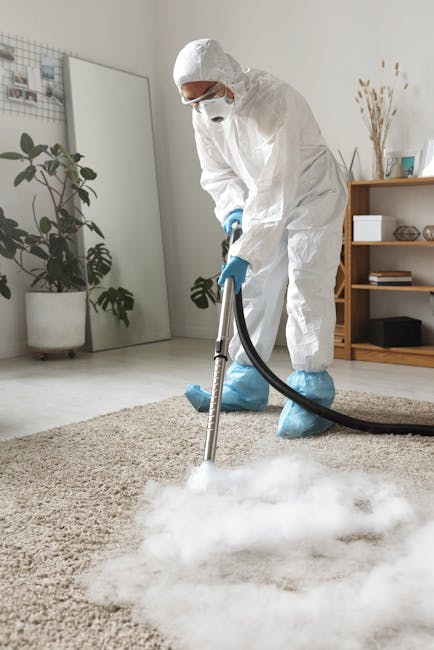
TW8 Carpet Cleaning Tips for Brentford Homes and Landlords
If you live or let property in TW8, carpets do a lot of quiet work. They take the foot traffic from busy mornings, muddy shoes after a wet commute, pets, prams, tenant move-ins, and the odd coffee spill that seems to happen at the worst possible moment. These TW8 carpet cleaning tips for Brentford homes and landlords are designed to help you keep carpets looking better for longer, avoid common damage, and decide when a DIY refresh is enough and when a professional clean is the smarter move.
Brentford homes can vary a lot, from compact flats to family houses and rental properties with heavier use. That means there is no one-size-fits-all approach. The good news? A few simple habits make a visible difference. And yes, they save money too, which never hurts.
In this guide, you will find practical cleaning steps, landlord-friendly maintenance advice, stain treatment pointers, and a few real-world shortcuts that actually help. If you want a deeper service view as well, you can also look at professional carpet cleaning in Brentford as part of a broader home care plan.
Table of Contents
- Why TW8 carpet cleaning tips for Brentford homes and landlords Matters
- How TW8 carpet cleaning tips for Brentford homes and landlords Works
- Key Benefits and Practical Advantages
- Who This Is For and When It Makes Sense
- Step-by-Step Guidance
- Expert Tips for Better Results
- Common Mistakes to Avoid
- Tools, Resources and Recommendations
- Law, Compliance, Standards, or Best Practice
- Options, Methods, or Comparison Table
- Case Study or Real-World Example
- Practical Checklist
- Conclusion
- Frequently Asked Questions
Why TW8 carpet cleaning tips for Brentford homes and landlords Matters
Carpet care is one of those things people notice only when it goes wrong. A patchy stain near the sofa. A dull walkway in the hall. That slightly musty smell after a damp week. In TW8, where homes often see a mix of everyday family use, pets, guests, and rental turnover, carpets can age faster than the rest of the room.
For homeowners, regular carpet cleaning helps keep a room feeling fresh rather than tired. For landlords, it does something more specific: it protects presentation, supports tenancy handovers, and reduces avoidable complaints. Let's face it, a clean carpet can change how a tenant or guest feels the second they walk in.
It also matters because carpet fibres trap dirt, grit, and moisture deep down. Vacuuming helps, absolutely, but it only gets the surface. Once soil settles into the pile, it can start to wear the fibres down. That is why a practical routine is not just cosmetic. It is maintenance.
One small Brentford reality: wet shoes and doorstep debris are common in London homes, especially in the colder months. If that sounds familiar, you are not imagining it. Entrance carpets, hall runners, and stairs often tell the story first.
How TW8 carpet cleaning tips for Brentford homes and landlords Works
The basic idea is simple: remove dry soil regularly, treat spills quickly, clean deeper at the right intervals, and avoid methods that push dirt further into the fibres. But the details matter more than people think.
For everyday upkeep, carpet cleaning works best in layers:
- Daily or weekly vacuuming removes loose dirt before it settles.
- Spot treatment deals with fresh marks before they become permanent.
- Occasional deeper cleaning lifts embedded grime, allergens, and odours.
- Drying and ventilation prevent that damp, heavy feeling after cleaning.
In rental homes, the approach is usually more structured. A landlord may need a clean before a new tenancy, after a move-out, or between long-term lets. In a family home, the same carpet might just need consistent maintenance and the occasional professional refresh. Different use, different rhythm.
If a carpet has wool fibres, loop pile, or a delicate weave, the cleaning method needs more caution. Synthetic carpets are often more forgiving, but even then, overwetting can leave marks or a longer drying time than you want. That bit catches people out.
When in doubt, think of it as controlled cleaning, not aggressive scrubbing. Scrubbing may feel productive. It rarely is.
Key Benefits and Practical Advantages
Good carpet care pays off in ways you can see and a few you cannot.
- Better appearance: Carpets look brighter, less flattened, and less patchy.
- Reduced odours: Pet smells, cooking smells, and general lived-in odours are less likely to linger.
- Longer carpet life: Less trapped grit means less fibre wear over time.
- Stronger rental presentation: Fresh carpets improve first impressions during viewings and inspections.
- Lower stress at move-out: End-of-tenancy cleans go more smoothly when carpets are already well kept.
- Health and comfort: Cleaner carpets can reduce the amount of dust and debris sitting in shared living spaces.
For landlords, there is also a practical financial angle. You are not just keeping things neat; you are protecting the asset. For tenants, a decent maintenance routine can make the difference between a straightforward checkout and a conversation nobody wants to have on a Friday afternoon.
If your property has multiple cleaners, builders, or tenants coming and going, pairing carpet care with deep cleaning or end-of-tenancy cleaning can be a sensible choice. It keeps the overall standard more consistent, which is what people actually notice.
Who This Is For and When It Makes Sense
This guide is useful if you are any of the following:
- a homeowner in Brentford wanting to keep a clean, comfortable living space
- a landlord preparing a property for new tenants
- a letting agent handling turnover and presentation
- a tenant hoping to leave the property in good shape
- a host managing short-stay changeovers and heavier footfall
It makes particular sense when you are dealing with:
- move-in or move-out periods
- stubborn spills from food, drink, or makeup
- pets, high traffic, or stair carpets
- carpets that smell damp after winter weather
- shared hallways or communal use in converted buildings
There is a pattern we see quite often. A carpet looks fine from a distance, but under daylight, especially near windows or hallway entrances, the traffic lanes stand out. If that sounds familiar, you probably do not need panic. You just need the right routine.
For furnished homes and short lets, carpet care often goes hand in hand with Airbnb cleaning or house cleaning. That combination keeps the entire place feeling looked after, not merely surface-cleaned.
Step-by-Step Guidance
Here is a practical carpet-cleaning routine you can actually use in a Brentford home or rental property.
- Vacuum slowly and thoroughly. Move the vacuum head in overlapping lines, especially in hallways, stairs, and around sofas. A quick pass is better than nothing, but it does leave dirt behind.
- Check for loose debris first. Grit, crumbs, pet hair, and small stones should be removed before any wet cleaning. Otherwise, you can grind them into the pile. Not ideal.
- Deal with spills immediately. Blot, do not rub. Use a clean cloth and work from the outside of the stain inward. That helps stop the mark spreading.
- Use the right amount of water. Damp is fine. Soaking is not. Overwetting causes long drying times and can leave backing problems or lingering smells.
- Test any product first. Try it in a hidden area, like behind a door or under a sofa edge. Give it a few minutes and check for colour change.
- Rinse lightly if needed. Cleaning residue can attract dirt later. A small amount of clean water on a cloth can help lift excess product.
- Dry properly. Open windows if weather allows, switch on ventilation, and avoid walking heavily on the carpet until it is fully dry.
- Recheck once dry. Some stains fade as the carpet dries. Others reveal a ring that needs a second gentle pass.
For landlords, this is the point where a good schedule helps. If you leave everything until checkout day, you are usually fighting time, humidity, and a tenant who is already halfway out the door. A little routine throughout the tenancy is simpler. Honestly, much simpler.
If carpet wear is part of a bigger cleaning job, pairing it with move-out cleaning or move-in cleaning can create a much smoother handover.
Expert Tips for Better Results
These are the small details that make a real difference.
- Work with the pile, not against it. Vacuum and brush in the direction the fibres naturally lie where possible.
- Use entry mats. They do not solve everything, but they reduce grit coming in from outside.
- Lift stains, don't smear them. Circular scrubbing often spreads the problem and roughs up the fibres.
- Mind the underlay. If liquid reaches the backing, odours can return even after the surface looks clean.
- Watch for colour bleed. Bright rugs, dyed fibres, and older carpets can react badly to strong products.
- Clean high-traffic zones first. Hallways, living-room paths, and stairs usually need the most attention.
A simple but useful habit is to stand in the doorway and look at the carpet in daylight. It sounds too basic, maybe, but it shows the real wear pattern quickly. You will notice where the room is actually taking the abuse.
Another tip: if a stain is old, do not keep hammering it with more product. At that stage, the aim is controlled removal, not enthusiasm. Little and often beats a full-on attack.
For delicate materials or more valuable furnishings nearby, consider matching the carpet clean with upholstery cleaning or rug cleaning so the whole room feels balanced.
Common Mistakes to Avoid
Most carpet damage happens because of well-meant but slightly off-target cleaning. The usual suspects are predictable.
- Scrubbing too hard: This can fray fibres and make the mark look worse.
- Using too much water: Wet carpets take ages to dry and may smell stale.
- Skipping the vacuum stage: Wet cleaning over loose grit only pushes soil deeper.
- Using the wrong product: Bleach, harsh chemicals, or strong detergents can harm the carpet finish.
- Ignoring the stain type: Red wine, grease, mud, and pet mess all need different handling.
- Leaving old stains alone for too long: They often set and become much harder to shift.
Landlords sometimes make another common mistake: they assume a carpet should be "perfect" after normal living, even when there has been heavy use. That is not always realistic. On the other hand, calling everything fair wear and tear is not a cleaning plan either. The sensible middle ground is regular maintenance, clear expectations, and proper documentation.
One more thing. If a carpet is already threadbare, cleaning will improve presentation, but it will not magically restore worn fibres. That is just the truth of it.
Tools, Resources and Recommendations
You do not need a room full of equipment to keep carpets in good condition. A few reliable basics will do most of the work.
- Vacuum cleaner with a decent brush head: Essential for daily or weekly upkeep.
- Microfibre cloths or white cotton cloths: Useful for blotting spills without transferring colour.
- Soft carpet brush: Helps lift fibres gently after vacuuming or spot treatment.
- Small bowl of clean water: Handy for light rinsing during spot cleaning.
- Protective gloves: Sensible if you are dealing with messy or irritating spills.
- Fan or open-window drying plan: Simple, but very effective in damp weather.
For landlords and busy homeowners, a service schedule can be just as important as the tools. If a property needs regular upkeep across different rooms, regular cleaning can help keep carpets from becoming an emergency job. If the carpets need broader household attention too, domestic cleaning is often a practical fit.
Sometimes the best recommendation is simply to combine tasks. If a property also needs fresh windows, stairs cleaned, or other detail work, aligning with window cleaning or communal area cleaning can make the whole property feel in order rather than patched together.
Law, Compliance, Standards, or Best Practice
For carpet cleaning, the main compliance issues are usually practical rather than highly technical. The important thing is to work safely, use products responsibly, and keep a fair record of what has been done when you are managing a tenancy.
Landlords should be especially careful about three areas:
- Safety: Use products and equipment in a way that does not create slip hazards or damage property.
- Fair expectations: Distinguish between normal wear and tear and avoidable damage.
- Documentation: Keep photos or notes before and after cleaning, especially around tenancy changes.
Good practice also means checking service terms and insurance where relevant. If you are hiring help, it is reasonable to ask how the work is carried out and whether the business has appropriate safety processes. For reassurance on this point, pages like health and safety policy and insurance and safety can be useful to review before booking.
If you are managing a rental property, it is worth being clear about expectations with tenants from the start. That does not need to be confrontational. Just clear. A calm, practical approach tends to work better than surprises at checkout. To be fair, that goes for most things in property management.
For pricing discussions, a transparent quote process matters too. If you are comparing service levels, pricing and quotes can help you understand what is included before you commit.
Options, Methods, or Comparison Table
There are a few common ways to care for carpets in Brentford homes. The right choice depends on the carpet material, the level of dirt, and how quickly you need the space back in use.
| Method | Best for | Pros | Limitations |
|---|---|---|---|
| Vacuum-only maintenance | Weekly upkeep and light soil | Quick, low-cost, protects fibres | Will not remove set stains or deep dirt |
| Spot cleaning | Fresh spills and small marks | Fast response, easy to do at home | Not suitable for large areas or old stains |
| Manual deeper clean | Targeted refresh for small rooms | More thorough than spot cleaning | Can be time-consuming and easy to over-wet |
| Professional carpet cleaning | Heavy use, rental turnovers, stubborn odours | More even results, better for larger jobs | Needs booking and drying time |
In a typical Brentford flat, the real decision is often between doing a small refresh yourself or booking a professional clean when the carpet needs more than a surface tidy. If you are working on a full property refresh, one-off cleaning may make more sense than piecemeal attempts across different rooms.
Case Study or Real-World Example
Here is a realistic example from the sort of property many people in TW8 will recognise.
A landlord in a two-bedroom Brentford flat had a hallway carpet that looked acceptable in photos but showed darker lanes near the front door and stairs. The outgoing tenant had done a decent job overall, but there had been winter mud, a few drink marks, and general wear from daily foot traffic. Nothing dramatic. Just enough to make the space feel older than it should.
The first step was a thorough vacuum and a careful check for any fixed debris along the skirting and stair edges. The second step was spot treatment for a couple of marks near the living-room doorway. Then the carpet was left to dry properly with windows open for ventilation. After that, the landlord compared the result in daylight the next morning.
The improvement was not magic. It was steadier than that. The carpet looked fresher, the hallway felt brighter, and the property presented better for the next viewing. That is usually how it goes. The best results are often the quiet ones.
In another case, a family home with a pet needed a stronger routine because the living-room carpet had a lingering smell after wet weather. A mix of regular vacuuming, quicker spill response, and a deeper clean in the busiest areas made the room feel normal again. Sometimes "normal again" is the whole goal, and that is perfectly fine.
Practical Checklist
Use this checklist before and after a carpet clean. It is simple, but it catches a lot of missed steps.
- Vacuum the carpet before any wet treatment
- Identify the stain type if possible
- Test any product in a hidden area
- Blot rather than scrub
- Use as little liquid as possible
- Open windows or improve airflow for drying
- Keep foot traffic off the carpet until dry
- Recheck the area once fully dry
- Record before-and-after photos for rental handovers if needed
- Book a deeper clean when stains, odours, or wear are beyond DIY
Quick takeaway: if the carpet is lightly dirty, consistent maintenance usually works. If the carpet is heavily used, stained, or part of a move-out, a more professional approach is often worth it.
Get a free quote today and see how much you can save.
Conclusion
For TW8 homes and landlords, carpet cleaning is really about keeping control of the small things before they become expensive or awkward. A little regular care protects the look of the property, supports tenant handovers, and makes daily life feel cleaner and easier. That is true in a family home, a rental flat, or a short-stay property.
The best approach is practical, not perfectionist. Vacuum well, act fast on spills, avoid heavy-handed scrubbing, and know when a deeper clean makes more sense than another round of guesswork. If you keep to those basics, your carpets will usually repay the effort.
And if a job feels too large, too stained, or simply too time-sensitive, that is not failure. It is just a sign that the carpet needs a proper reset. Sometimes the smartest move is the one that saves you time, stress, and a bit of shoe-shuffling while the room dries.
One good clean can change the feel of a whole room. Quietly, but properly.
Frequently Asked Questions
How often should carpets be cleaned in a Brentford home?
Vacuuming should usually be weekly, or more often in busy homes. A deeper clean is often needed less frequently, but it depends on foot traffic, pets, children, and whether the property is rented or owner-occupied. Hallways and stairs usually need attention sooner than bedrooms.
What is the best way to remove a fresh carpet stain?
Blot the stain straight away with a clean cloth, working from the outside inward. Use a small amount of suitable cleaning solution only after testing it first. The main rule is simple: do not rub. Rubbing tends to spread the stain and rough up the fibres.
Are landlord carpet cleaning expectations different from homeowner expectations?
Yes, usually. Landlords need to think about presentation, tenancy handovers, and fair wear and tear, while homeowners often focus on comfort and routine upkeep. In rental properties, a cleaner carpet can make inspections, viewings, and move-outs much easier to manage.
Can I clean a carpet myself or should I hire a professional?
Small spills, light dirt, and routine maintenance are often manageable yourself. If the carpet has heavy staining, odour, or widespread grime, professional cleaning is often the better choice. It is especially useful when time is tight, such as before tenants move in or out.
Will carpet cleaning remove pet smells?
It can help a lot, but results depend on how deep the smell has gone. Surface odours are usually easier to improve. If urine or moisture has reached the backing or underlay, a more thorough clean may be needed, and sometimes more than one pass is required.
Is it safe to use a lot of water when cleaning carpets?
No, not really. Too much water can lead to long drying times, residual smells, and possible backing issues. Damp is fine. Soaked is not. That distinction matters more than people think.
What should landlords document after carpet cleaning?
Photos are useful, especially before and after a tenancy change. Notes about the carpet condition, the cleaning method used, and any remaining marks can also help. Good records reduce arguments later, which is always a relief.
Do carpets need different care if they are in communal areas?
Yes. Communal carpets often experience heavier and less predictable use, so they usually need more frequent maintenance. Dirt from shared entrances, stairwells, and hallways builds up faster than in a single home.
Can carpet cleaning damage old or delicate carpets?
It can if the wrong method or product is used. Older carpets, wool fibres, and delicate weaves should be treated carefully. Testing in a hidden area and using minimal moisture helps reduce the risk.
How long does a carpet usually take to dry after cleaning?
Drying time varies with the method used, the amount of moisture, airflow, and the carpet material. Good ventilation helps a lot. If the room feels cool and damp, expect longer drying times. A window open for a while can make a bigger difference than people expect.
What if the stain comes back after the carpet dries?
That can happen when residue or moisture pulls dirt back to the surface. A second gentle treatment may help. If the stain keeps returning, it may have reached deeper layers or the underlay, and a more thorough cleaning approach could be needed.
Where can I find related cleaning services for a fuller property refresh?
If you are looking at more than just carpets, related options such as deep cleaning, end-of-tenancy cleaning, and regular cleaning can help keep the whole home in better shape. For property owners and landlords, that joined-up approach often works best.
How do I know when a carpet is beyond DIY cleaning?
If the carpet has set-in stains, lingering odours, visible traffic lanes, or is due for a tenancy change, it may be beyond sensible DIY work. At that point, a more thorough clean is usually more efficient than repeated spot treatment. It saves a lot of fiddling, too.